Understanding Widow Property Tax Exemptions in Florida
Florida offers one of the most generous widow property tax exemptions in the U.S., helping surviving spouses manage financial burdens after the death of a loved one. Whether you’re researching the homestead exemption for widows, planning a tax return as a qualifying widow or widower, or looking into property tax relief in Vero Beach or Miami, this guide explains everything you need to know. From eligibility rules and step-up basis benefits to widow tax credits and how to apply — this article will help you make informed decisions during a difficult time.
The widow property tax exemption in Florida has been a part of the State Constitution since 1885. For more than a century, the state has provided an exemption for the property of widows to ease the financial stress involved with losing a loved one.
Many widows and widowers in Florida don’t realize they may be eligible for a $5,000 property tax exemption or other relief options like the widow homestead exemption, widow tax credit, or even federal step-up in basis. These exemptions can lower your annual property tax bill and offer long-term financial security.
Many Treasure Coast real estate owners are unaware of the widow property tax exemption in Florida. Fortunately, the exemption is offered on federal and state levels, and each state is unique in how it handles the exemption.
A widow’s exemption is a tax reduction that a person can file following the death of a spouse. This reduction often comes in the form of reduced property taxes. The purpose of a widow’s exemption is to financially assist the surviving spouse during a difficult time of grief.
Although the exemption is usually called the widow property tax exemption, it is also available to men who lose their wives (widowers). The exemption is available to the surviving spouse regardless of gender. The widow property tax exemption can only be claimed on up to three properties in Florida.
Initially, Florida permitted a $500 deduction on property taxes for surviving spouses. However, as of 2023, the deduction was substantially raised to $5,000 for every widow or widower.
This increase helps ensure that widows over 65 in Florida, those with permanent disabilities, or those who’ve recently lost a spouse can stay in their homes without experiencing financial hardship. The widow exemption amount may vary slightly depending on the county — for example, Miami property tax adjustments for condos may differ from exemptions in Vero Beach or Martin County.
Although the $5000 property tax deduction is referred to as the widow property tax exemption, this exemption also applies to those who are blind or totally and permanently disabled. In this case, a person who is disabled must be certified by a physician licensed by the state of Florida, Veterans Affairs, or the Social Security Administration.

Conditions for Widow Property Tax Exemption in Florida
It’s important to note that the property tax reduction is not permanent and only occurs for a period of time. In many states, the property tax exemption only lasts two years. However, Florida law is more generous.The widow property tax exemption Florida continues as long as the surviving spouse:
-
Owns and resides in the property as their primary residence
-
Does not remarry
-
Maintains Florida residency (bona fide resident)
The widow property tax exemption in Florida continues as long as the surviving spouse owns and resides in the property and does not remarry. Additionally, if the spouse decides to move, it is possible to transfer the property tax exemption to the new residence as long as they remain in Florida.
Those living outside of Florida can find more information about the widow property tax exemption by visiting their state’s Department of Revenue website or calling the number their state provides. If you're living in South Florida cities and counties, you can quickly find localized details through your tax collector or property appraiser.
How to Apply for Widow Exemption in Florida
To claim the widow exemption, you must file an application with your county property appraiser’s office. The deadline is typically March 1st each year. You’ll need:
-
Proof of Florida residency
-
Marriage certificate
-
Spouse’s death certificate
-
Proof of ownership and homestead use (such as a utility bill or driver's license address)
Each county may have specific application forms (e.g., Homestead Exemption Application Form DR-501), so it's wise to check with your local office or website.
To qualify for the widow property tax exemption, one must remain in Florida. A widow or widower can no longer claim the $5,000 tax benefit if they move out of the state. They must be a bona fide resident of Florida to qualify for exemption. Another requirement to receive the exemption is the person must be able to prove that they are a widow. Most agencies require the spouse to submit a death certificate to prove their status as a widow or widower. The exemption in Martin County lays out the benefits fairly clearly for potential applicants.
One common question regarding the widow property tax exemption is what types of partnerships qualify for the allowance. In Florida, state-recognized domestic partnerships do not qualify for the widow property tax exemption. Although a domestic partnership is a long-term, exclusive relationship where two individuals are financially interdependent, Florida does not grant domestic partnerships the same status and rights as a married couple. Additionally, Florida does not recognize common law marriages or the partnerships of those living together over an extended period. A couple must be legally married to qualify for a widow property tax exemption in Florida. Domestic partners or common law spouses — even those in long-term relationships — are excluded. This is an important distinction for those asking, “Do widows get a property tax break in Florida?.
Another widow property tax exemption requirement is that no dependent children live in the home. Additionally, the IRS requires that those who apply for widow or widower status pay more than 50% of the costs for the home where they live.

Other Tax Sources of Relief for Widows in Florida
In addition to the state-level widow’s homestead exemption, surviving spouses can benefit from federal widow tax breaks. These include:
-
Step-up in basis on inherited properties
-
Joint return filing for up to two years
-
Widow's tax credit if eligible
There are other tax advantages and relief available to surviving spouses that can be helpful during a difficult emotional and financial time. For example, in some cases, a widow may be allowed to file a joint tax return up to two years after their spouse’s death. Additionally, widows and widowers can often take advantage of a step-up in basis to reduce the financial burden on property taxes. This means that the cost basis for the property is adjusted to the spouse’s death date. Suppose the property's price on the date of the descendent’s death exceeds its original purchase price. In that case, the tax code allows for raising the cost basis to a higher price to minimize capital gains taxes if the property is sold.
It’s not just primary properties that qualify for a step-up basis; other properties, such as vacation homes and rental properties, can also translate into a lower tax bill once sold. Additionally, inherited investments such as taxable investment accounts also qualify for reductions and savings on capital gains taxes.
The step-up basis is a federal tax relief and benefit that surviving spouses should consider to ease financial burdens. The step-up in basis is very helpful when selling real estate and tangible property, but it also applies to other financial assets such as stocks, bonds, and mutual funds all qualify for this benefit. In many cases, widows planning to sell inherited homes in Florida—especially in high-value areas like Vero Beach or Miami—may save thousands using this step-up in basis at death of spouse rule. Those interested in understanding the widow property tax exemption may wonder about other assets such as cars, jewelry, furniture, etc. In the event of a spouse’s death, all assets passed to the surviving spouse are legally exempt from federal taxation.
Another way that the federal government attempts to ease the financial burden of surviving spouses is through the Social Security Administration. Widows may be eligible for social security benefits. These benefits are referred to as “survivors benefits” and paid to widows, widowers and in some cases other dependents. According to the Social Security Administration, if the widow or widower is at full retirement age or older, they can receive 100% of the deceased worker's benefit amount. The benefits received from the Social Security Administration are treated as income and are subject to taxes.
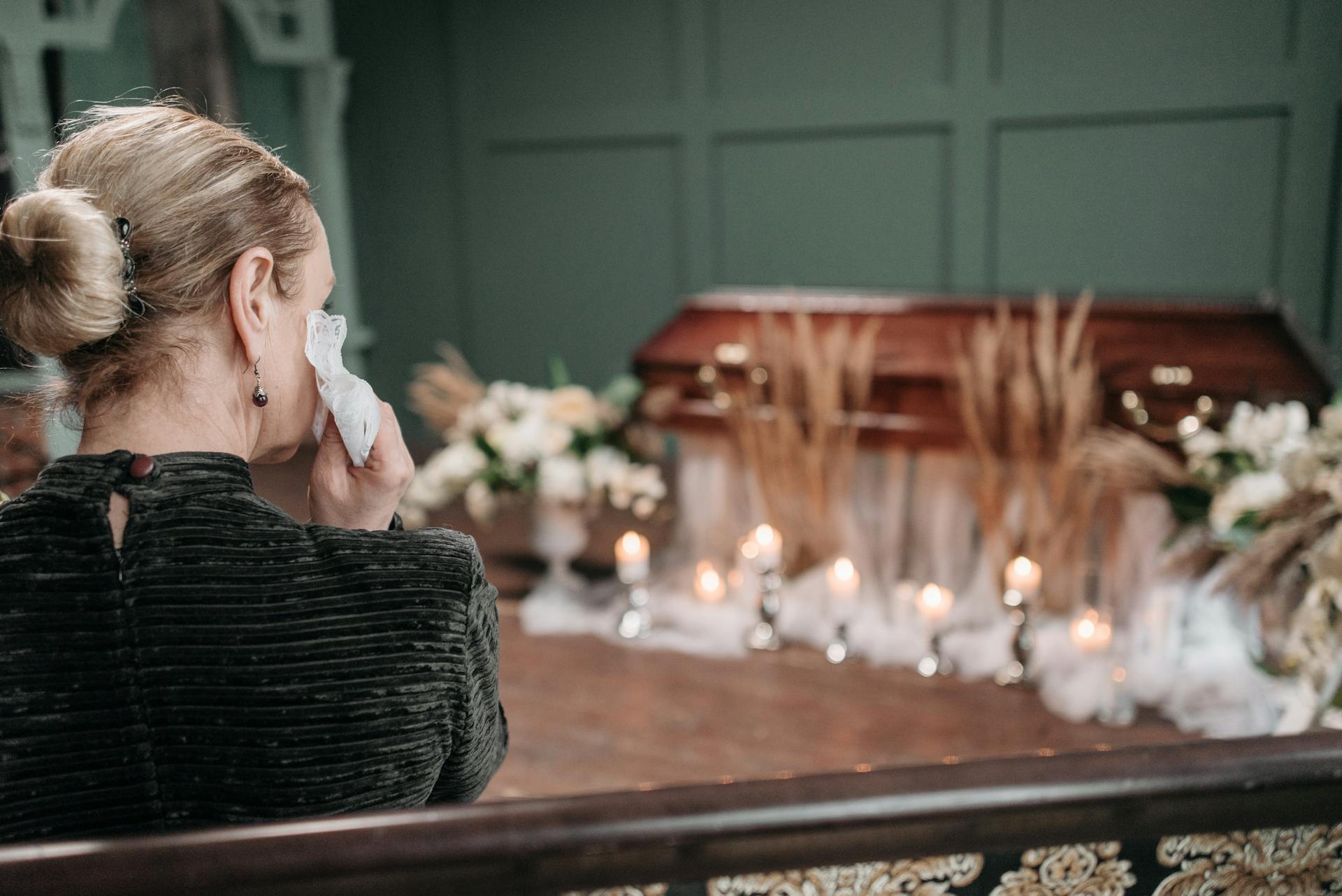
Changing Tax Filing Status and Claiming Widow Tax Credits After a Spouse’s Death
In the year that the widow’s spouse passes, they may also still file their tax returns as “married filing jointly.” This can be done by claiming the status of “qualifying widow or widower” on Form 1040 or 1040-SR. They can receive the tax benefits of a joint filing for up to two years.
After the two-year allowance, a widow must change their tax status. The status should be changed to “head of household” if there are dependents and the surviving spouse has not remarried. The word dependent is used quite broadly because many people can qualify as a dependent. According to the IRS, dependents can include children and even some relatives such as parents, brothers, sisters, and even grandchildren. If the widow or widower provides over half of the person's support, they are considered “dependents.”
Additionally, you may be eligible for the widow tax credit or the widower’s tax credit, depending on your income and dependent status. For example, those providing over half of a dependent's financial support — even if that dependent lives separately — may still qualify for head of household or qualifying widow(er) status on their 1040 tax return.
Sometimes, a person may financially support a parent who lives in a separate residence. In this case, it can be harder to qualify for widower status, but the IRS provides a tool to accurately assess whether or not a person can still claim widow status. If the widow hasn’t remarried and they don’t have dependents, their tax status should be changed to “single.” However, using the qualifying widow status for two years will yield much better benefits than filing as “head of household” or “single.”
Another question that new widows and widowers may have is whether or not their standard deduction will change. The standard deduction for a qualifying widow or widower for 2024 is $29,200, the same deduction for married people filing jointly. It should be noted that the standard deduction changes yearly to account for inflation. Almost everyone qualifies for the deduction, and taking the deduction is a smart choice for grieving spouses. The standard deduction is also beneficial for offsetting income for taxpayers below a certain income threshold to reduce or eliminate their tax burden. To understand the nuances of the widow property tax exemption and the additional federal and state allowances, it is wise to speak with a tax professional who is an expert at optimizing tax returns.
Losing a Loved One Can be Emotionally and Financially Challenging
Losing a spouse is one of the most difficult things that a person can endure. It is an emotionally challenging time, and financial uncertainty can make it even more difficult. Widows often suffer financially due to the loss of income from wages or social security upon the death of a spouse. Unfortunately, as income drops, expenses such as mortgage and property taxes remain the same.
Florida’s widow property tax exemption gives seniors an advantage that other states lack. Additionally, Florida does not have a state income tax, translating into more savings and less financial hardship for residents. Surviving spouses must be well-informed about state and federal rules that can help ease the financial strain during such a difficult time.
The point of the widow property tax exemption is to offer an exemption or allowance that eases the financial burden of a grieving spouse. Trying to adjust finances quickly can make the situation worse for a person who has suddenly lost their spouse. The Florida widow property tax exemption provides the grieving spouse with extra time to adapt to their circumstances and make use of available widow exemptions, federal tax breaks, and social security survivor benefits.provides the grieving spouse with extra time to adapt to their circumstances and make use of available widow exemptions, federal tax breaks, and social security survivor benefits.
Localized Tip: Homestead Exemption in Vero Beach & Miami
If you live in Vero Beach, Martin County, or Miami-Dade County, be aware that each area has slightly different instructions and deadlines for filing the homestead exemption and widow property tax exemption. For example:
-
Miami property tax adjustments for condos may vary based on property type
-
Indian River County offers online tools to estimate savings
-
Martin County Property Appraiser’s website provides a checklist for surviving spouses
Be sure to consult your local Property Appraiser's Office to avoid missing benefits.
FAQ's
1. Do widows get a property tax break in Florida?
2. How do I apply for the widow exemption in Florida?
3. How long can you claim widow on taxes?
4. What is the step-up in basis at death of spouse?
5. What is the property tax exemption for over 65 in Florida?