


Florida’s sunshine and warm climate make swimming pools more than a luxury — for many, they’re a necessity. Whether you’re searching for cheap houses for sale in Florida with a pool, considering the average cost of an inground pool, or wondering does a pool increase home value in Florida, this guide covers it all. We’ll explore pool installation costs, ROI, insurance and tax implications, and what today’s buyers are really looking for — from Palm Coast FL homes with pools under $80,000 to luxury pool estates in Naples.
Florida's long, sunny days are a draw for countless people, the warm air pulling them outside. It doesn't matter where in Florida you live — especially on the Treasure Coast — there is one consistent thing that grabs attention in yards: swimming pools.
Florida’s homes for sale with pools consistently attract attention, whether in Cape Coral, Orlando, or Sarasota. From affordable homes under $300K with pools to luxury dream houses with pools, buyers across Florida are prioritizing backyards with water features.
For countless Floridians, swimming pools are ideal and make any home stand out. This is because they can change daily life, turning any yard into an oasis. Pools are fun for the whole family, combat the summer's sticky air, and are what many buyers gravitate toward.
Real estate agents across Florida confirm that homes with pools often see higher buyer interest and stronger offers. According to the Florida Realtors® Association, properties with private pools can sell up to 10–20% faster than those without, depending on the market.
While shopping for Florida real estate in golf cart communities and beyond, prospective homebuyers understand that houses with pools tend to attract bigger offers. When sellers list properties with pools, they may be able to add thousands to their asking price, helping them to outpace the competition. This is true for various properties, including gated communities, and they are also selling points for renters.
Swimming pools offer something for everyone: after-school enjoyment, exercise in a great retirement community, family fun outdoors, and so much more. But does a pool add value to a home in Florida? Here's everything you need to know.

Living the Florida Dream: Why Pools Sell Homes in Florida
Imagine this: It’s a hot day in Port St. Lucie, Palm City, or Orlando pool home communities, where summer temperatures regularly push past the 80s. A backyard pool isn’t just a perk — it’s part of the Florida lifestyle buyers expect. From Stuart, FL to Port St. Lucie, the humidity can occasionally feel unavoidable.
Fortunately, a swimming pool offers some relief from the heat, allowing a quick dip in your backyard pool. Due to the heat, this often feels like a necessity and not a luxury in Florida since the summer seems to last all year.
Even better, a pool offers plenty of entertainment for anyone looking to have guests over. Add an outdoor kitchen and you'll have one of the best Palm City, FL properties around, and then some. This means you don't have to live in one of the Treasure Coast's richest neighborhoods to feel like a million bucks.
For homebuyers, especially those looking for more upscale houses, pools are often non-negotiable, as they expect them to come with the properties they're interested in. This typically means anyone looking at $500,000+ homes expects them to come with a pool. Because of this, homes with pools aren't perks; they're part of the package.
Do Pools Boost Your Home's Worth?
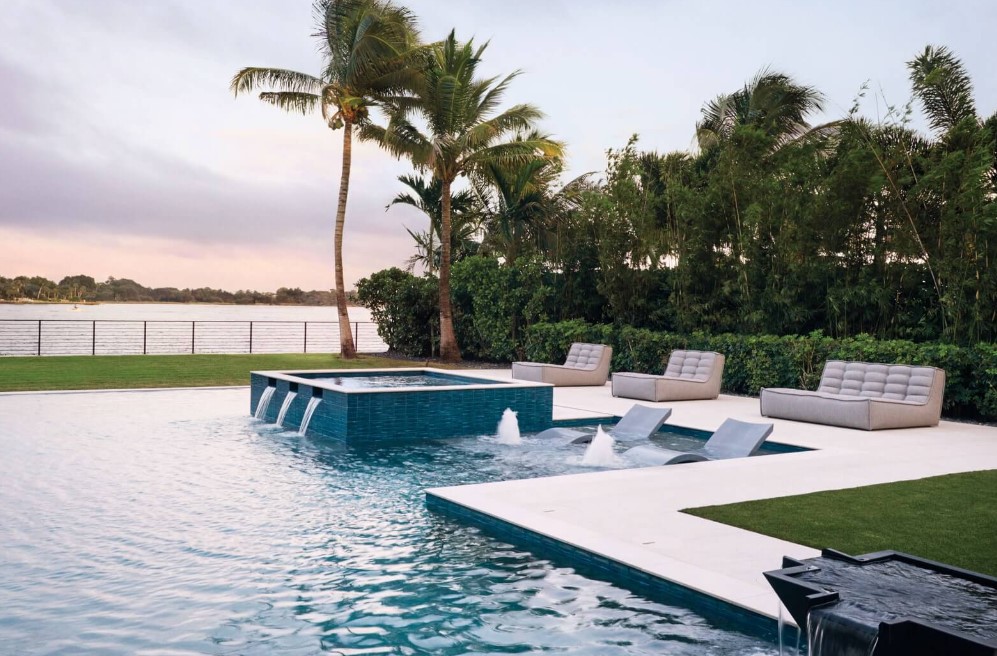
If you’re wondering “how much value does a pool add to a home in Florida”, the answer depends on location, property type, and buyer expectations. In upscale neighborhoods like The Villages, Jupiter, and Naples, not having a pool can reduce buyer interest significantly. You might not make back the cost of the pool, especially if your neighborhood is saturated with similar homes and pools. However, if you install a pool in a neighborhood that doesn't predominantly have pools, you'll have an easier time increasing your home's value.
In short, your location plays a role in whether pools affect the value of your home. Unfortunately, it's not guaranteed that they'll increase your home's worth, but when buyers expect pools in certain neighborhoods, you might be losing out on sales if your house fails to deliver the backyard goods. Just remember that pools aren't exactly affordable curb appeal, so to speak, so you should be aware of costs ahead of time.

Average Cost of Pool Installation in Florida
Pools aren't cheap to install. They require permits, strict fence laws, and numerous safety precautions to protect children.
|
Pool Expense |
Average Cost (Florida) |
Notes |
|
Digging & permits |
$6,000 – $12,000 |
Varies by city/HOA |
|
Basic construction |
$30,000 – $50,000 |
Standard inground pool |
|
Luxury upgrades |
$15,000 – $40,000+ |
Spa, waterfall, lighting |
|
Annual maintenance |
$1,500 – $3,000 |
Chemicals, cleaning, repairs |
|
Insurance & taxes |
$800 – $2,000/year |
Depends on county |
In-ground pools can average between $40,000 and $80,000. Should you want to add luxury amenities such as a hot tub, waterfall, or fancy lighting, you can easily spend $120,000 on an in-ground pool.
These are some expenses you can expect:
- Digging and permit: $6,000 - $12,000
- Basic pool construction: $30,000 - $50,000
- Deck or patio surrounding the pool: $7,000 - $20,000
- Screen enclosure: $10,000 - $18,000
- Heating or pool lighting: $3,000 - $12,000
Most importantly, you need to factor in fencing, which is mandatory in Florida, and upkeep, such as chemicals, cleaning, and any repairs, which can cost between $1,500 and $3,000 annually.
Although this sounds like a lot, pools are often the best way to beat the Florida heat. They also offer residents a certain type of lifestyle, making the money spent well worth it. Just be sure to check with local HOA laws to ensure you can install a pool.

What Kind of Pools Do Buyers Want?
It's not out of the ordinary for pools to make or break a real estate transaction. Some prospective homebuyers won't even consider real estate without a pool, especially if it's in a neighborhood where everyone has one. This is especially true in golf course homes along the coast and other gated communities.
Pools aren't just a necessity for homeowners. In areas with a thriving vacation rental market, rental properties with private pools may command higher long- and short-term rental prices. This means pools may be a smart move for certain real estate investors looking for higher rates on their rentals or an increase in bookings.
When a Pool Might Not Pay Off
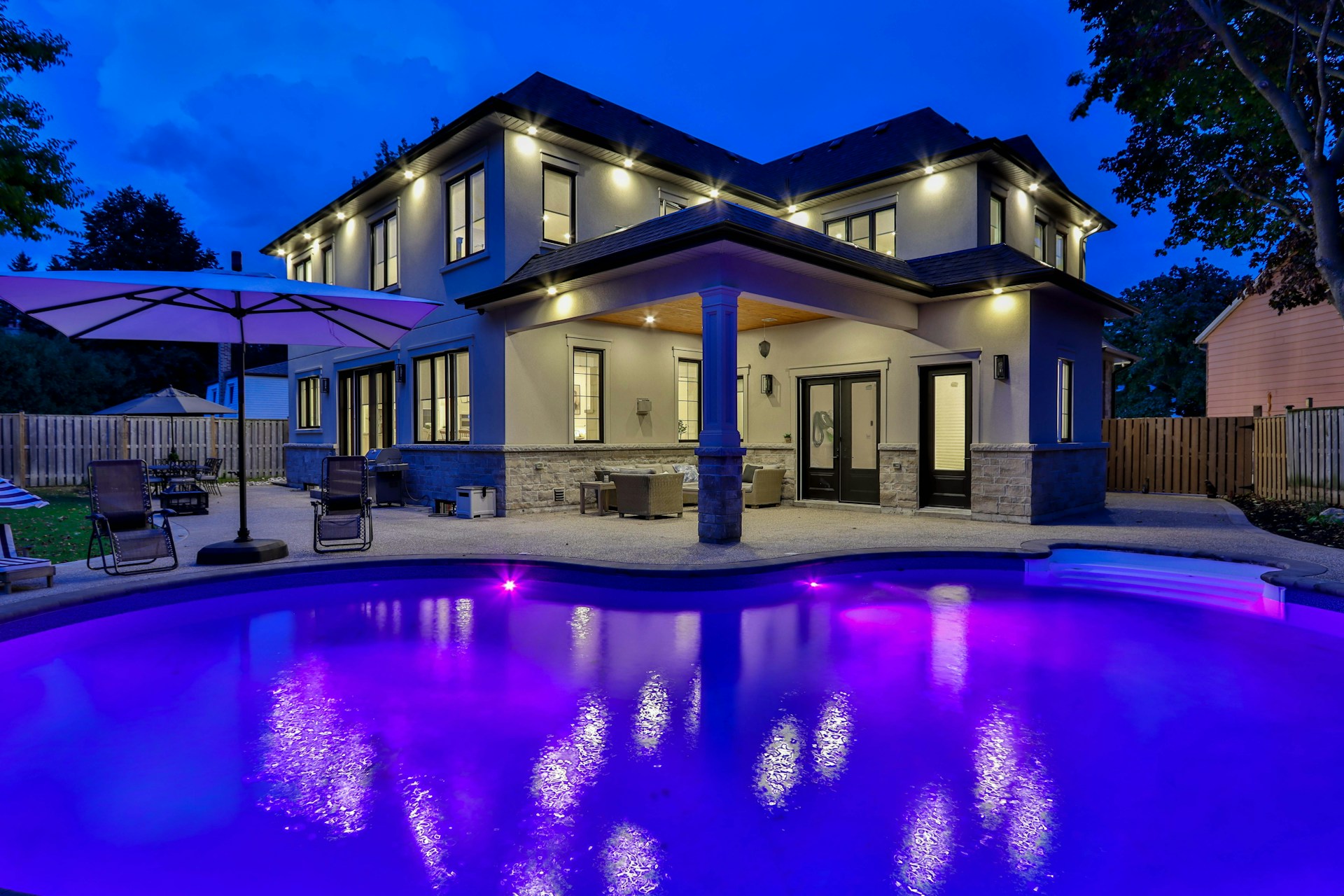
Pools aren't always a great idea for homeowners and real estate investors. If you're in a tiny home community and have very small yards, then a pool might occupy valuable outdoor space used by kids and pets. This might turn off some buyers, sending them looking for other properties.
In budget-friendly Florida neighborhoods, a pool may not provide ROI. For example, in areas with cheap houses under $30,000 with pools, buyers may see an older or poorly maintained pool as a liability rather than an asset.
In more affordable, budget-friendly neighborhoods, homes with pools might seem overpriced compared to local real estate. Add to it an outdated pool that needs repairs, and buyers might see the pool as a red flag and not a key selling point.
Families with children — especially young children — may see pools as a safety hazard, for good reason, especially with pools that don't have alarms or the proper fencing. This is why you always need to consider the pros and cons of installing a pool before embarking upon this type of project.

The Hidden Costs of Pools
Pools often have a hefty price tag upfront, but there are other ongoing expenses to prepare for. Insurance is one of these hidden costs since adding a pool can push your premium upwards due to the liability risk. A good fence and a safety cover work to reduce costs.
Maintenance is another hidden cost that should be taken seriously. Since Florida offers residents the option to use their pools all year long, they'll have constant maintenance.
This includes balancing chemicals, skimming debris, and fixing pumps as they break. On average, you can expect to pay between $150 - $250 monthly to upkeep your pool, so prepare for this additional annual fee.
Beyond installation, pools affect homeowners insurance, property taxes, and long-term maintenance. According to Florida insurers, a pool can raise annual premiums by $500–$1,500 depending on safety features. Additionally, some counties reassess property taxes once a pool is added, potentially raising your annual bill.
Other Pool Options to Consider
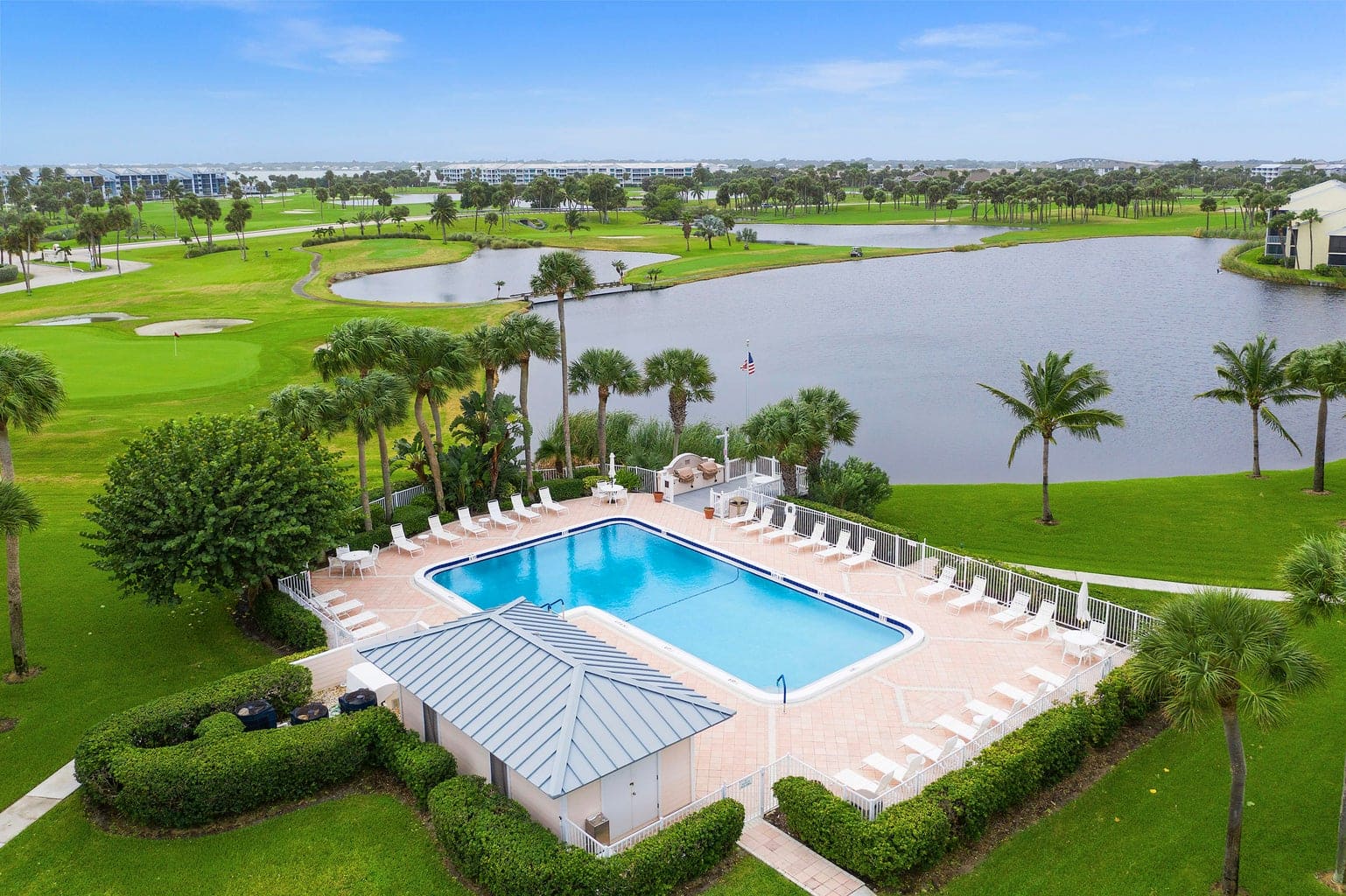
If this all sounds daunting and too expensive, there are in-ground pool alternatives you can consider. You can look into budget-friendly above-ground pools instead of custom in-ground pools. No, these pools won't add the same type of value to your home, but you'll still enjoy them just the same.
You'll also need to apply for permits and have the best pool fencing in place, as this is a non-negotiable safety feature in Florida, and maintain these pools. If installing a pool is too expensive regardless, look for communities that offer a shared pool for all residents to enjoy.

Does a Pool Add Value to a Home in Florida?
The answer isn't as simple as it seems. Pools can add value, but it depends on the neighborhood.
If your home is in a neighborhood where pools are the norm, then having one won't necessarily increase your property value. However, if you don't have a pool in a neighborhood that typically features them, you may find it more difficult to compete with other properties.
Although pools can add value to a home in Florida, it's not a one-size-fits-all decision for homeowners. If you have young children, you may want to wait to install a pool until they're older.
Everyone needs proper permits, fencing, and safety measures when installing pools, which can add to the overall cost and may not make installation financially worthwhile upon selling. At the end of the day, the decision to install a pool is a personal choice, since you may not recoup the cost of installation.
If installing a pool seems daunting and you're looking for new real estate, consider purchasing a home close to the beach, with a community pool, or a private pool that has all its safety features and permits. Treasure Coast MLS has available real estate for everyone and in a variety of price ranges and you can even work with one of the best home builders in Florida!
So, does a pool increase your home value in Florida? The short answer: Yes, but with conditions. In markets where pools are standard (Naples, Palm Beach, Orlando gated communities), not having one can hurt your sale price. In markets where they’re less common, adding one may not generate enough ROI to cover the cost.
Top 5 FAQs About Pools in Florida
The average inground pool in Florida costs $40,000–$80,000, depending on size and features. Luxury designs can exceed $120,000.
Yes, but ROI varies. In higher-end neighborhoods, pools may add 5–10% to property value. In lower-end areas, the impact may be minimal.
Expect to pay $150–$250 monthly, or $1,800–$3,000 annually, for chemicals, cleaning, and equipment upkeep.
Yes. According to Florida Realtors®, homes with pools can sell 10–20% faster than comparable homes without.
Yes. Adding a pool can trigger a property tax reassessment, increasing your annual bill by $500–$1,000+ depending on the county.