A common legal question spouses have in Florida is, "What are my rights if my name is not on a deed but married?” The answer to this question depends on various factors. Married couples in Florida not only share the bond of marriage, but they also share property as well. Many assume that if a name is not on the deed, they are not entitled to the property. However, entitlement to a property depends on each couple’s situation.
Every property in Florida requires a deed, a legal document that determines who owns the property's title. For married couples, it’s common for both names to be on the title. However, in some cases, one spouse may not have their name on the deed. In this case, the first thing the spouse should consider is whether or not the property is marital or nonmarital.

What is Marital Property in Florida?
Florida law dictates that a spouse's entitlement to a home or piece of land depends on whether the property is marital or nonmarital. Marital property refers to any property purchased during the marriage. A usual rule of thumb is that property that a person owns before the marriage is typically considered separate property. The same is true for any inheritance that the person is given.
Florida law does not make any distinctions about the property based on whose name is on the title when it comes to property purchased during the marriage. This is especially true if the property was purchased with money earned while married. Whether or not the property or the asset was acquired by one or both spouses, it’s still marital property.
This concept extends to all types of assets. For example, if a husband purchases a car during the marriage, that car is considered marital property. This is true even if the vehicle was purchased with money from the husband’s job and only his name is on the title. Florida law still considers the car a marital property belonging to both spouses. Sometimes people believe they can protect their assets by keeping only their name on the title. However, this is not true in Florida.
What Does Florida Law Consider Non-Marital Property?
Non-marital property is sometimes referred to as separate property. This includes property that’s not acquired during marriage. For example, if a woman purchases a home and marries several years later, the house will be treated as non-marital or separate property. This is especially true if both spouse's names do not appear on the title or deed.
Remember that Florida is not a community property state, so assets acquired during a marriage are not automatically considered marital property.
Another form of non-marital property is property that’s acquired by inheritance or gift. If one spouse receives a gift such as a home from their parents, the gift will be treated by Florida law as non-marital or separate property. A final form of non-marital property is any income received from non-marital assets. Suppose a spouse owns a rental home that is classified as separate property. In that case, if all income from the rental goes into a separate bank account, the income will be considered non-marital property.

Property Bought with Cash Creates Gray Areas
There are always exceptions to marital property rules. One of those exceptions is how the property was purchased. If a spouse purchases a home in cash, with only their name on the title, and the cash purchase was completed solely with funds that the spouse attained before the marriage, the home could be considered a non-marital or separate property. In this case, the spouse who purchased the property must be able to prove that they bought the house with cash that they earned before the marriage.
A good example is a spouse who takes out a loan from her retirement account that was funded and opened before the marriage. She used the funds to buy the property, and in this case, because the funds came from a source that existed before the marriage, the house is now considered non-marital or separate property. The Florida courts will examine the specific circumstances and applicable laws to determine whether the property is separate. Cash purchases can be difficult to argue if the cash was mingled with any marital funds.
Increases in Property Value
Another consideration regarding marital properties is the enhancement in value or appreciation that could occur during a marriage. For example, if a husband buys a house before the marriage, it's non-marital property. However, any increases in the home's value throughout the marriage may be considered marital property.
The home’s increase in value is considered an enhancement in value and appreciation. The cost difference between the house's present value and the value before the marriage would be considered marital property. The wife is entitled to a percentage of the home’s increased value in this case.

Florida is an Equitable Distribution State
Although marital property means that homes and land belong to both spouses it doesn’t mean that each spouse receives the same amount of ownership of the property. This would be true if Florida were a community property state where marital property and other assets are divided equally between couples. However, Florida is an equitable distribution jurisdiction. This means the state starts with the presumption of a 50-50 split but then applies various rules to make the division as fair as possible.
A couple can choose to divide up property however they wish, but when a divorce is particularly challenging and contentious, couples may seek the help of the court system to divide property. The state of Florida considers many factors when dividing property under equitable distribution rules. Some of those factors include:
- The amount of money each spouse made during the marriage
- The sacrifices that a person made in the marriage, such as maintaining the residence or caregiving
- If there are children still in the home
- The living standard that each spouse enjoyed during the marriage
- Whether alimony is required
- The contributions each spouse made to the marriage
- The length of the marriage
- The age and health of each spouse
- The value and liquidity of the property.
- If there was a premarital agreement
Although Florida statutes offer local courts guidance on how to divide property fairly, the courts and judges in Florida can use their own discretion and do what they believe is fair for the couple. Equitable distribution does not mean that marital property is divided equally. One spouse may have a smaller portion of ownership in the home. Equitable distribution means that the courts will try to divide the assets fairly.
Tenancy by Entirety
There is a legal way that spouses can create equal joint ownership of their home, and that is through tenancy by the entirety. Tenancy by the entirety is a legal arrangement that offers protections and rights for married couples who own property. Couples in many South Florida cities often use it to prevent creditors from seizing the property of one spouse to pay off the debt of the other.

For example, if a couple owns a home through tenancy by the entirety, but one spouse accumulates a large amount of debt, tenancy by the entirety keeps creditors from having access to their home because it remains protected under Florida law. The creditor cannot force both spouses to sell the house since the debt is under only one spouse's name. Under tenants by the entireties, both spouses own an undivided interest in 100% of the property. In this case, if something happens to one spouse, the other spouse inherits full ownership.
Florida is one of the few states that applies tenancy by the entirety to real property. This type of ownership is only available to couples who are legally married in the state of Florida and is not an option for unmarried couples. Tenancy by the entirety applies to homes and land, and it's also applicable to personal property like bank accounts and even businesses. Tax refunds are also considered jointly owned by both spouses through tenancy by the entirety.
Prenuptial Agreements For Florida Homes
There is a way to ensure that property remains separate during a marriage. Both parties must agree that certain assets and properties will not be divided in the event of a divorce. If the agreement is signed before marriage, it’s called a prenuptial agreement, while agreements signed after marriage are postnuptial.
A valid prenuptial or postnuptial agreement can clearly state which spouse owns what assets. Prenuptial agreements are common when one spouse has multiple homes and assets acquired before the marriage. The Florida court system will honor a couple's contract and exclude real estate from the standard marital property laws.
Getting a Mortgage and Selling a Home as a Married Couple in Florida
There are many reasons a couple may decide to leave one spouse off the mortgage loan. For example, if one spouse doesn’t meet the credit or income requirements, having the house under one name may be a better financial option. Although having a mortgage in the name of only one spouse is common, it doesn’t eliminate the other spouse's rights to the home.
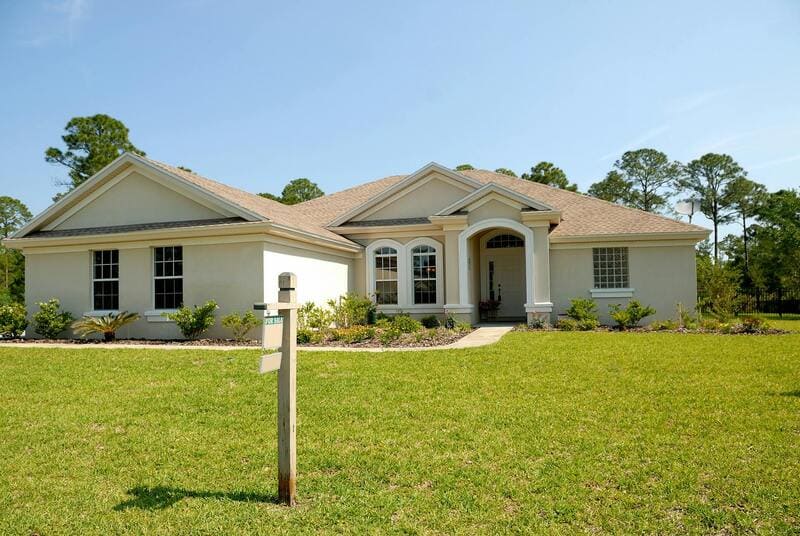
Most states allow married couples to apply for mortgages and have the title under just one spouse's name. When only one spouse is on the mortgage, the spouse who didn’t sign is a non-borrowing spouse. As non-borrowing spouses, they are not personally liable for the mortgage debt. Although they are not liable for the debt, it doesn’t relinquish their claim on the property. In Florida, home ownership is not determined solely by the mortgage or the title. Ownership is determined by whether or not someone purchased a property while married.
If one spouse decides to sell the property they need the other spouse's consent. Florida restricts the ability to sell a home without the approval of both spouses. Both spouses must sign the deed for a home sale to be legally viable. The Florida constitution refers to this as a “joinder of spouse,” which means that the non-owner spouse must sign the deed for it to be valid. A transaction without both spouses' consent can result in a claim against the title insurance policy.
Updating a Deed or Title in Florida
Spouses asking: "What are my rights if my name is not on a deed but married?” may feel insecure about their name not being on the title. One potential solution is to update the deed. Couples can legally update a home title into a joint deed. To update the title of a deed, the couple should seek out a real estate attorney and present the existing deed. The attorney can prepare a new deed and then have it notarized. It’s always advisable to consult with a family law attorney or real estate attorney in Florida. A good attorney in Florida can provide guidance based on each couple's unique situation and offer sound legal advice.
FAQs
What happens if my spouse dies and the house is in their name?
If your spouse dies and the house is solely in their name, the property may go through probate. Seek legal advice to understand your rights and options for inheritance.
What if my name is not on the house?
If your name is not on the house, you may not automatically inherit it. Estate laws vary, so seek legal advice to understand your rights.
What if my spouse is not on the deed or mortgage?
If your spouse is not on the deed or mortgage, their rights to the property may be limited. Consult a lawyer to understand the implications for both of you.
Should my spouse put me on the deed?
Putting a spouse on the deed can provide security and simplify inheritance. Consider legal advice based on your specific circumstances.
Should a married couple have both names on the deed?
Having both names on the deed can offer protection and simplify property transfer. Consult a lawyer to understand the benefits of the situation.
Is it more important to be on the deed or mortgage?
Both are important. Being on the deed establishes ownership, while the mortgage indicates responsibility for repayment of the loan.
What is the best tenancy for a married couple?
Joint tenancy with the right of survivorship is often recommended for clear ownership and seamless inheritance for married couples.
What is a married person with the right of survivorship?
A married person with the right of survivorship automatically inherits the property upon the other's death, bypassing probate.
What does it mean to be vested in a marriage?
Being vested in a marriage usually refers to joint ownership of property, ensuring both spouses have a legal claim.
* Important Disclaimer: we are not attorneys and this post is not legal advice. It is for informational use only. If you have questions, you should always speak to an attorney.