


Flipping houses can be one of the fastest ways to build wealth in real estate—but only if you know how to find the right property. If you’re wondering how to find a house to flip, you’re not alone. Whether you're a beginner or a seasoned investor, learning how to find fix and flip properties, where to buy cheap houses to flip, or even how to start flipping houses with no money is key to your success. In 2025, the market for fix-and-flip homes continues to thrive in undervalued U.S. markets, and savvy investors are actively seeking distressed or off-market deals to generate returns.
In this guide, we’ll show you the best ways to find houses to flip, including strategies like working with real estate agents, attending auctions, using wholesalers, and driving for dollars. You’ll also learn about financing your flips, avoiding common pitfalls, and how to flip houses with no upfront capital. Whether you're flipping foreclosures in Florida or tracking down cheap homes to flip online, these tips will give you the edge to thrive in the fix-and-flip game.
The first step in getting started in real estate investing is learning how to find a house to flip so you can begin making a profit. Finding the right house to flip can be a challenging yet rewarding process for both new and seasoned investors. After locating the perfect property, you'll want to secure financing, navigate the renovation process, and sell the home to get cash flow.
It's no surprise that flipping houses requires careful planning and strategy, so in this article, we'll explore the best ways to find fix and flip properties as well as touch on how to get financing for flipping homes, some tips for fixing and flipping real estate, and the pros and cons of real estate investing.

Best Ways to Find Fix and Flip Properties
You'll need to begin by finding fix and flip properties, which is much easier said than done. So, how do you find houses to flip that provide the win-win situation you're looking for in a sea of millions of homes? Below are some of the best ways to find flip houses, whether you’re working solo or building a fix-and-flip team.
1. Work with a Great Real Estate Agent
A knowledgeable real estate agent can help you find investment properties to flip, negotiate deals, and navigate the entire process. Look for agents with experience in fix and flip real estate deals and a deep understanding of undervalued properties in your target location. We like to recommend Bigger Pockets' Agent Finder to match with professionals who have plenty of experience in the field. You’ll gain access to MLS listings and off-market deals that may not appear on public websites.
Pro Tip: Some realtors specialize in foreclosed homes, pre-foreclosures, and fix and flip opportunities, making them an invaluable resource for investors.
2. Build Relationships with Wholesalers
Wholesalers connect distressed sellers with ready-to-buy investors. They often specialize in finding off-market properties to flip, and working with them gives you early access to some of the most discounted flip homes available. In Florida’s Treasure Coast or beyond, finding the right wholesaler can mean the difference between an average and a profitable flip.This is particularly important for those looking for Treasure Coast homes, as there are many professionals specializing in each town, neighborhood, and property type.
These wholesalers usually enter a contract to purchase a property with a seller, and that contract is assignable. In essence, they are selling you the rights to that contract by assigning you as the buyer of the home.
3. Attend Auctions
Auctions are a prime place to find fix and flip properties for sale, especially bank-owned homes and foreclosures. However, they require quick decisions and often full-cash payments.
Bank Real Estate Auctions: Banks often auction off foreclosed homes, also known as real-estate-owned (REO) properties. These auctions can be a great way to find fix and flip opportunities although you do not typically have a due diligence period that you may have in a standard transaction.
Public Real Estate Auctions: Public auctions, such as sheriff sales, tax sales, or estate sales, can also yield great properties for flipping. Be sure to research the auction process in your area to understand the process as this can be very localized.
It probably doesn't need to be clarified, but real estate auctions are sales where properties are sold to the highest bidder. They can be conducted in person or online and there are two types to keep in mind:
- Absolute auctions: the property is sold to the highest bidder, regardless of price.
- Reserve auctions: the seller can accept or reject the highest bid when they may have a "reserve price" that should be met.
Buyers should research the property beforehand, set a preliminary budget, and understand the auction terms. Real estate auctions can be a great way to find a home to flip for anyone looking for a fast and transparent way to buy a property.
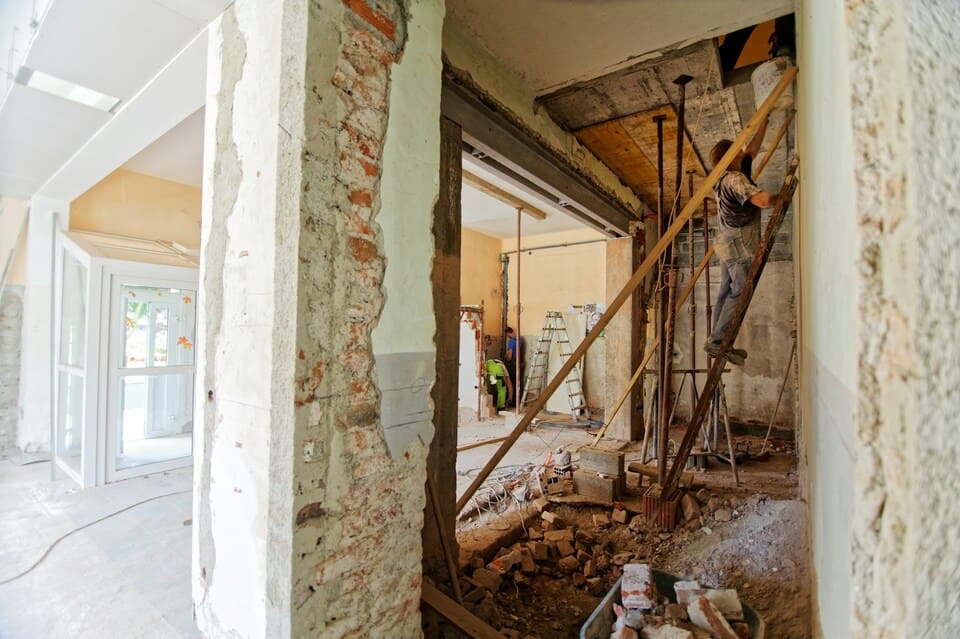
4. Drive Neighborhoods & Reach Out to Owners
Driving for Dollars is a hands-on method to find distressed homes to flip. This strategy is perfect for finding cheap houses to flip in your target neighborhood. Use tools like DealMachine or your local property appraiser’s website to contact owners directly.
There are a few critical things to keep in mind when you're driving for dollars:
- Keep a look out for red flags in the neighborhood that could affect the value of the home after it's renovated.
- Define your market and only drive in that area. Otherwise, you'll be going crazy driving all over the town or county and never get the knowledge that you'd have if you narrow in on a specific niche.
- Use your local property appraiser's website to get information about the properties you see and who owns them.
Driving for dollars is a proactive strategy to narrow down searches based on criteria like tax-assessed value, house age, ZIP codes, or crime rates. From opulent country clubs to tiny home communities to oceanfront condominiums, you'll be able to get granular about where you want to find a home to flip.
Driving for dollars is not just about checking out areas and neighborhoods; it requires persistence and attention to detail and can lead to finding lucrative real estate deals that may not be discovered through traditional methods.
Tip: don't be afraid to talk to neighbors that you see walking around! They may know of someone around the area that needs, or wants, to sell.
5. Network, Network, Network
Let people know you're in the business of flipping houses. Networking at real estate investor meetups, with contractors, or even with property managers can lead to great word-of-mouth deals. If you're looking for houses to flip, make sure everyone knows it.
Your friends, family, and colleagues should have you top of mind if they hear of someone who needs to sell their home quickly. Here are some more ideas to help boost your fix and flip networking:
- Join Local Real Estate Investment Clubs: Networking with other real estate investors and those in similar industries can provide valuable insights and potential leads on flip homes. Through these clubs, you can meet not only investors, but also home inspectors, real estate agents, title companies and attorneys, appraisers, and others in relevant industries.
- Make Your Presence Known: Being active in the community and on social media can help you connect with sellers and other industry professionals.
6. Advertise
Use direct mail campaigns, social media ads, and bandit signs to find homeowners eager to sell quickly. This is an excellent method to find flip properties before they hit the market—especially distressed homes or inherited properties.
You can also turn to social media advertising to get in front of those who may be interested in selling their home quickly to an investor.
These types of targeted advertising aren't free, but they can directly attract sellers looking to offload distressed properties.
7. Search Foreclosures
Foreclosures, HUD homes, and tax lien sales are great for finding fix and flip investment properties. Websites like HUD Homestore, Auction.com, and Zillow Foreclosures can help you identify cheap houses to flip in your state.
If you're working with a real estate agent, they may know of foreclosures before the general public. You can also use sites like HUD homes for sale or XOME that display many foreclosure listings.

How to Get Financing for Flipping Homes
It goes without saying that getting financing is an important stage of flipping homes. Unless you have the cash to purchase, rehab, and market the prospective property, its critical to look at your options for financing.
You can usually obtain traditional bank financing, like a conventional mortgage or home equity line of credit (HELOC). These types of loans typically offer lower interest rates and longer repayment terms compared to other financing options. They usually require a decent credit score, a substantial down payment, and may only be available for primary residences.
Private money lenders are also an option. This would include friends, family, colleagues, or other private investors. Private money lenders may be more flexible in their lending criteria and may offer faster approval times compared to banks. Private loans, however, often come with higher interest rates and shorter repayment terms, which can eat into profits.
Here are some recent statistics to keep in mind when it comes to the price and profit of fix-and-flip investing:
Median Resale Price: $305,000
Median Investor Purchase Price: $249,000
Median Flip Profit: $56,000
How to Fix and Flip Houses with No Money
It's possible to flip houses with no money of your own, but it's not easy. You can think of strategies such as wholesaling, joint ventures, or no-cash-down hard money loans. These allow you to earn a profit on a deal without actually purchasing the property or using your own funds to get it done.
With many private lenders, you will be able to put less skin in the game once you've grown your reputation. Keep in mind that your interest rate could often be tied to how much of your own money is tied into the deal, as that raises the risk of your financiers.
How to Flip Houses with Hard Money
Hard money lenders specialize in short-term loans for fix-and-flip deals. While interest rates are typically higher than conventional loans, and are also usually paid per diem, hard money can be a useful tool for financing flip homes.
These entities are usually private individuals or companies that lend money based on the current and future value of the property being purchased, rather than the borrower's credit score or income.

House Flipping Pros & Cons
Almost 73,000 homes and condos were flipped in just the first quarter of 2023. That is up 8% from the year before, showing that flipping homes is still an industry that is alive and well.
That said, there are things to consider before you decide to find a house to flip and get started. There are benefits, as well as risks and drawbacks, that any would-be real estate pro should keep in mind.
Benefits & Advantages
Fixing and flipping homes can be an exciting venture in the world of real estate investing, offering the potential for substantial profits along with some significant challenges. One of the key advantages is the potential for high returns on investment. By purchasing a property below market value, making strategic renovations, and selling at a higher price, investors can realize substantial profits in a relatively short period.
Another advantage is the opportunity for creativity and personalization. Fixing and flipping homes allows investors to use their vision and design skills to transform a property, adding value and appeal. Even in the richest neighborhoods in Florida, projects can be a creative outlet for those with a passion for design and renovation.
Challenges & Risks
One of the more popular drawbacks of flipping homes is the potential for unforeseen delays and costs. Renovation projects can often uncover issues that were not included in an investor's budget, and flippers can often rely on the schedule of others. For example, subcontractors who are repairing a property may have a calendar that is determined by material availability and other jobs.
The level of expertise and experience required is also frequently underestimated. Successful fixing and flipping projects require a solid understanding of multiple disciplines: the real estate market, construction, and renovation processes to name a few. To inexperienced investors, the learning curve can be steep and mistakes can be very costly.
Market conditions can play a significant role in the success of a fix-and-flip renovation as well. Fluctuations in the real estate market, both locally and nationally, can impact demand for housing and, consequently, the selling price of the property.

Tips for Fixing and Flipping Real Estate
1. Search Potential Investments
Thoroughly research potential properties before purchasing. Due diligence is key, and be sure to discuss the properties' current value, as well as its value after renovating, with your real estate agent. Important topics to consider for every potential flip property are the location, local market trends, renovation costs, and potential resale value.
2. Run the Numbers
Remember the 70% Rule for real estate investing. This rule of thumb suggests that investors should pay no more than 70% of the after-repair value (ARV) of a property, minus repair costs, for a prospective flip home.
So, if you think a house would be worth $500,000 after you have renovated it, you will probably want to pay no more than $350,000 for that home also factoring in the rehab costs.
3. Have a Great Home Inspection Done
A comprehensive home inspection can uncover many issues that may not be obvious to the naked eye. These problems would directly effect your renovation budget, so it's essential to get insight from licensed and qualified professionals before you sign on the dotted line.
Frequently Asked Questions
How do I find cheap houses to flip?
Can you flip houses with no money?
What are the best websites to find houses to flip?
How do I know if a house is a good flip?
Where are the best places to flip houses in 2025?