


Florida house lizards are a common sight in homes across the Sunshine State, and their presence often prompts curiosity and concern among residents. These small reptiles, while generally harmless, can be a nuisance and sometimes cause distress for homeowners who find them scurrying across floors or clinging to walls.
Understanding the different types of Florida lizards found in Treasure Coast homes, along with effective methods to get rid their presence, is crucial for maintaining a comfortable living environment.
Common Lizards in Florida Houses
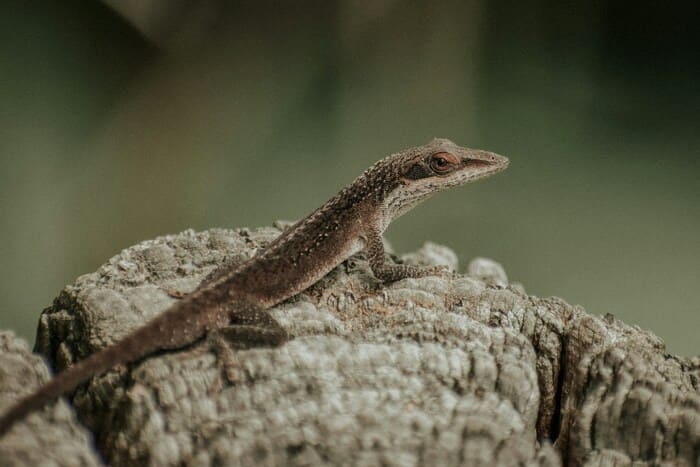
Florida is home to a diverse array of lizards, many of which find their way into residential spaces. Among the most common are the:
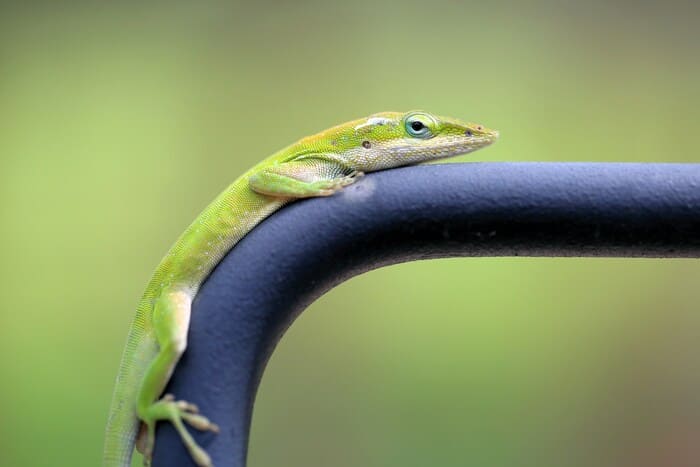
- Green Anole (Anolis carolinensis)
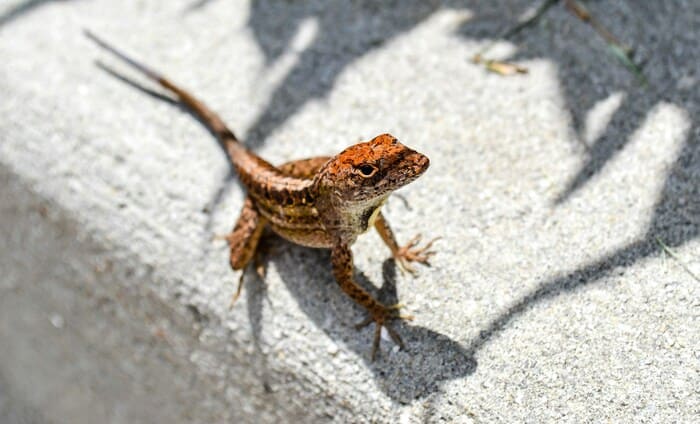
- Brown Anole (Anolis sagrei)
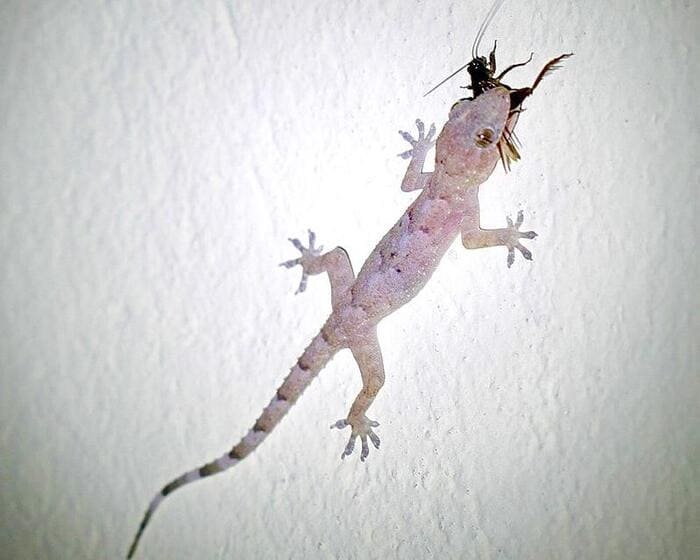
- Tropical House Gecko
The Green Anole, often mistaken for a chameleon due to its ability to change color from green to brown, is native to Florida. It is typically seen in gardens, on walls, and occasionally inside homes. The Brown Anole, an invasive species from Cuba and the Bahamas, has rapidly spread throughout the state, often out-competing the Green Anole.
Some reptiles that can also make their way into your home, but are much less common, are the:
- Agama
- Iguana
- Florida Scrub Lizard
- Tokay Gecko
Another frequent visitor in Florida homes is the Mediterranean House Gecko. These nocturnal creatures are known for their distinctive chirping sounds and preference for well-lit areas, which makes them common around porch lights and inside homes. The Tropical House Gecko, native to Africa, has firmly established itself in South Florida cities, often seen on walls and ceilings at night.
How to Get Rid of Lizards in Florida
Encountering lizards in the house can be startling, but there are several effective methods to remove them and prevent their return. One of the simplest ways to get rid of lizards is to use a homemade trap. A shoebox and a piece of cardboard can serve as a basic trap: gently coax the lizard into the box and then release it outside.
Keeping your home clean and free of insects is another key strategy. Lizards are attracted to homes with abundant food sources, such as insects and spiders. Regularly sweeping and vacuuming, as well as using insect repellents, can significantly reduce the likelihood of a lizard infestation.
Sealing cracks and gaps around windows, doors, and the foundation of your home can also prevent lizards from entering. Weather stripping and door sweeps are effective tools for sealing entry points. Additionally, installing mesh screens on windows and vents can keep these reptiles outside where they belong.
How to Keep Lizards Out of Your House in Florida
Preventing lizards from entering your home in the first place is often easier than dealing with them once they are inside. One effective method is to reduce outdoor lighting at night, as lights attract insects, which in turn attract lizards. Switching to yellow bulbs or sodium vapor lights, which are less attractive to insects, can help.
Maintaining your yard is also crucial. Trim back trees and shrubs that are close to your house, as these can provide easy access for lizards. Keeping the lawn mowed and removing debris such as piles of leaves or wood can eliminate potential hiding spots.
Natural repellents can also be effective. Lizards are known to dislike the smell of certain substances, such as mothballs, coffee grounds, and garlic. Placing these around potential entry points can deter lizards from coming inside. Commercial lizard repellents are also available and can be used as a more robust solution.
How to Get Rid of Geckos in Florida
Geckos, particularly the Mediterranean House Gecko, are a common nuisance in Florida homes. These nocturnal lizards are attracted to light and can often be found near light sources at night. To get rid of geckos, start by reducing outdoor lighting or using insect-repelling bulbs.
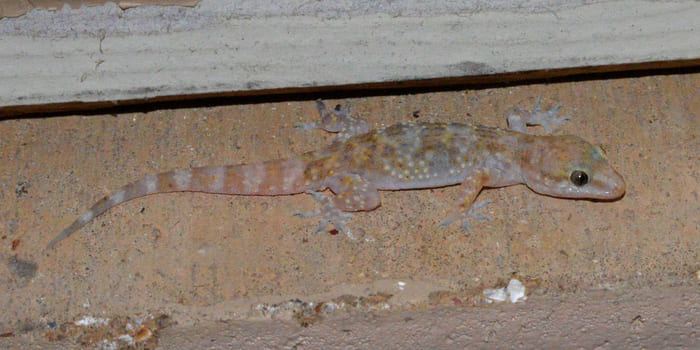
Another effective method is to use sticky traps. These traps can be placed along walls and other areas where geckos are likely to travel. Once caught, the gecko can be safely released outside. However, be cautious when using sticky traps, as they can also catch other small animals.
Insect control is vital in managing gecko populations. Geckos feed on insects, so reducing the insect population in and around your home will naturally decrease the gecko population. Use insect repellents and ensure that your home is free of food crumbs and standing water, which attract insects.
How to Get Rid of Small Florida Lizards
Small lizards, such as the Green Anole and the Brown Anole, can often find their way into homes through small openings. To get rid of these lizards, start by identifying and sealing entry points. This includes cracks in walls, gaps around windows and doors, and spaces where utilities enter the home.

Using a lizard-repellent spray around these entry points can also be effective. These sprays are available at most home improvement stores and can create a barrier that deters lizards from entering. Additionally, placing sticky traps in areas where lizards have been seen can help catch and remove them.
Another humane method is to use a broom or a piece of cardboard to gently guide the lizard toward an open door or window. Lizards are generally more active during the day, so this method is often more effective when done in daylight.
Invasive Florida House Lizards
Florida’s warm climate and diverse habitats make it a prime location for a variety of invasive Florida lizards that can be found in houses on rare occasions. Many species have established populations, often outcompeting local fauna and disrupting ecosystems.
One of the most prominent invasive lizard species in Florida is the Brown Anole. Originally from Cuba and the Bahamas, the Brown Anole was introduced to Florida in the early 20th century, likely through the pet trade and cargo shipments. Since then, it has spread rapidly throughout the state, thriving in urban and suburban areas. The Brown Anole is known for its aggressive behavior and competitive nature, which have allowed it to displace the native Green Anole (Anolis carolinensis) from its preferred habitats.

Another significant invasive species is the Argentine Black and White Tegu. Native to South America, this large lizard can grow up to four feet in length and has a broad diet that includes fruits, vegetables, insects, small animals, and eggs. The Tegu was first spotted in Florida in the early 2000s and has since established breeding populations, particularly in the southern part of the state.
The Nile Monitor is another invasive lizard causing concern in Florida. Native to Africa, the Nile Monitor can grow up to seven feet long and is an adept swimmer, often found near water bodies. This species was introduced to Florida through the exotic pet trade and has established populations primarily in the southern regions of the state.
Also arriving through the pet trade are Iguanas, particularly the Green Iguana, which are another notable invasive species in Florida. Originally from Central and South America, these large lizards can grow up to five feet in length. They thrive in urban areas, often seen basking in the sun or swimming in canals.
The Cuban Knight Anole, also from Cuba, is another invasive species that has made its mark in Florida. These large, green lizards with striking blue markings can grow up to 18 inches long and are often found in trees and shrubs. The Cuban Knight Anole preys on insects, small birds, and other lizards, including the native Green Anole.
Another growing invasive lizard making its presence felt in Florida is the Red Headed Agama. Native to sub-Saharan Africa, the Red Headed Agama is easily recognizable by the vibrant red or orange color on the males’ heads, especially during the breeding season. These lizards, which can grow up to 12 inches in length, were likely introduced through the pet trade.
FAQs
What do I do if a lizard is in your house?
Gently guide it towards an open door or window using a broom or piece of cardboard, or trap it in a box and release it outside.
Why do I keep finding lizards in my house?
Your home likely has abundant food sources like insects and easy access points such as cracks or gaps.
What does lizard in house indicate?
It often indicates a presence of insects and possible entry points that need sealing.
What is the tiny lizard in my house in Florida?
It's likely a Green Anole, Brown Anole, or a young gecko.
Should I be worried about a lizard in my house?
No, they are generally harmless and help control insect populations.
Do lizards come near humans while sleeping?
Lizards typically avoid humans and are more active during the day or at night when it’s quiet.
What smell do lizards hate?
Lizards dislike smells like garlic, coffee grounds, and mothballs.
Where do lizards hide in a bedroom?
They can hide under furniture, behind curtains, or in closets.
Can lizards come through AC?
Lizards can enter through gaps around AC units and condensate drains if not properly sealed.
Can lizards infest a house?
While they can be frequent visitors, damage and true infestations are rare.
Do lizards come up drains?
Lizards do not typically come up drains but may enter through other small openings.
Can lizards crawl under doors?
Yes, if there is a gap large enough for them to squeeze through.
How to avoid lizards in a house?
Keep your home clean, seal entry points, and use repellents.
How to keep lizards out of your house in Florida?
Reduce outdoor lighting, maintain your yard, and use natural or commercial repellents.
Does pine sol repel lizards?
Pine-Sol and other strong-smelling cleaners can act as a deterrent to lizards.